
Embarking on the journey of understanding What Flooring Installers Need to Know About Liability InsuranceDifference between public and private health insurance in Asia, readers are in for a captivating exploration that delves into the nuances of insurance coverage in both industries.
Providing valuable insights and practical advice, this discussion aims to shed light on essential aspects that flooring installers and individuals in Asia should consider when it comes to liability and health insurance.
Understanding Liability Insurance for Flooring Installers
Liability insurance is a crucial aspect for flooring installers as it provides protection in case of unforeseen accidents, property damage, or injuries that may occur during installation jobs. It helps cover the costs associated with legal claims and ensures that installers are not financially burdened by such incidents.
Types of Liability Insurance
- General Liability Insurance: This type of insurance covers bodily injury, property damage, and advertising injury claims that may arise during flooring installations.
- Professional Liability Insurance: Also known as errors and omissions insurance, this coverage protects flooring installers against claims of negligence or inadequate work performance.
Coverage Provided by Liability Insurance
- Accidents: Liability insurance can help cover medical expenses and legal fees if a flooring installer is involved in an accident while on the job.
- Property Damage: In case of damage to a client's property during installation, liability insurance can cover the costs of repairs or replacements.
- Injuries: If a third party, such as a client or bystander, is injured during the installation process, liability insurance can help cover medical bills and other related expenses.
Factors Influencing Liability Insurance Costs
When it comes to liability insurance for flooring installers, several factors can influence the cost of coverage. Understanding these factors is crucial for installers to make informed decisions about their insurance needs.
Types of Liability Insurance
- General Liability Insurance: This type of insurance provides coverage for third-party bodily injury, property damage, and advertising injury claims. The cost of general liability insurance can vary depending on the coverage limits and the size of the business.
- Professional Liability Insurance: Also known as errors and omissions insurance, this type of coverage protects flooring installers against claims of negligence or inadequate work. The cost of professional liability insurance may be higher than general liability due to the specialized nature of the coverage.
Impact of Experience and History
- Experience: Flooring installers with a long history of successful projects and satisfied clients may be seen as lower risk by insurance companies, leading to lower premiums. On the other hand, new installers or those with a history of claims may face higher insurance costs.
- Claims History: A flooring installer's past claims history can significantly impact their insurance premiums. Installers with a history of frequent claims or large settlements may be considered higher risk, resulting in higher insurance costs.
Selecting the Right Insurance Coverage
When it comes to selecting the right insurance coverage for flooring installers, it is crucial to consider the specific needs and risks associated with the nature of their work. A comprehensive insurance policy can provide peace of mind and protection in the event of unexpected accidents or liabilities.
Key Considerations Checklist
- Assess Coverage Needs: Evaluate the types of risks involved in flooring installation, such as property damage, bodily injury, or errors in workmanship.
- Financial Strength of Provider: Choose an insurance company with a solid financial standing to ensure they can fulfill claims in case of emergencies.
- Policy Exclusions: Understand what is not covered under the policy to avoid any surprises when filing a claim.
- Policy Limits: Determine the maximum amount the insurance will pay out for different types of claims and ensure it aligns with your needs.
- Deductibles: Consider the deductible amount you are willing to pay out of pocket before the insurance coverage kicks in.
- Claims Process: Evaluate the ease and efficiency of the claims process to ensure a smooth experience when needing to file a claim.
Tailoring Coverage to Specific Needs
- Professional Liability Insurance: Consider adding professional liability coverage to protect against claims of negligence or errors in workmanship.
- Tools and Equipment Coverage: Ensure your insurance policy includes coverage for tools and equipment used in flooring installation.
- Business Interruption Insurance: Protect your income in case of unexpected events that disrupt your business operations.
- Workers' Compensation Insurance: If you have employees, consider adding workers' compensation coverage to protect them in case of work-related injuries.
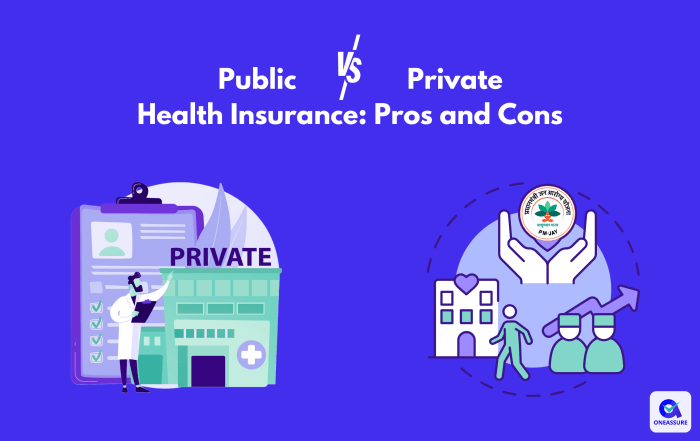
Public vs. Private Health Insurance in Asia
In Asia, the healthcare landscape varies greatly from country to country, leading to different systems of public and private health insurance. Let's delve into the key differences between public and private health insurance in Asia, along with the advantages and disadvantages that individuals may face when navigating these options.
Advantages and Disadvantages of Public Health Insurance in Asia
Public health insurance in Asia is often provided by the government and aims to offer basic healthcare coverage to its citizens. Here are some advantages and disadvantages of public health insurance in Asian countries:
- Advantages:
- Public health insurance typically covers a wide range of healthcare services, including preventive care and essential treatments.
- It can be more affordable or even free for lower-income individuals, ensuring access to necessary medical care.
- Public health insurance programs may have a wide network of healthcare providers, offering more options for patients.
- Disadvantages:
- Long wait times for certain procedures or specialist appointments can be common in public healthcare systems.
- Limited coverage for elective procedures or specialized treatments may require individuals to seek private healthcare options.
- Quality of care may vary depending on the country and region, leading to disparities in healthcare outcomes.
Benefits of Opting for Private Health Insurance in Asia
Private health insurance in Asia is typically purchased from insurance companies and offers more comprehensive coverage compared to public options. Here are some benefits of opting for private health insurance in the Asian context:
- Private health insurance provides faster access to medical care, reducing wait times for consultations, diagnostics, and treatments.
- Individuals have the flexibility to choose their preferred healthcare providers, including top hospitals and specialists, ensuring personalized care.
- Private health insurance often covers a broader range of services, including elective procedures, alternative therapies, and international medical treatments.
- Additional perks such as wellness programs, telemedicine services, and health check-ups are commonly included in private health insurance plans.
Accessibility and Affordability of Health Insurance
When it comes to health insurance in Asia, the accessibility and affordability of different options play a crucial role in determining the healthcare outcomes for individuals. Let's delve into how public and private health insurance programs fare in terms of accessibility and affordability across various countries in Asia.
Accessibility of Public Health Insurance Programs in Asia
Public health insurance programs vary in accessibility across different Asian countries. Some nations have robust public healthcare systems that provide coverage to a large portion of the population, while others may struggle to reach all individuals in need of healthcare services.
Factors such as government funding, infrastructure, and healthcare policies greatly influence the reach and effectiveness of public health insurance programs.
Affordability of Private Health Insurance Plans in Asia
Private health insurance plans in Asia can offer a range of coverage options, from basic to comprehensive, tailored to individual needs. While private insurance plans may provide more flexibility and additional services compared to public alternatives, affordability can be a concern for many individuals.
The cost of private health insurance plans varies depending on factors like age, pre-existing conditions, coverage limits, and the insurance provider.
Government Policies and Health Insurance Availability in Asia
Government policies play a significant role in shaping the availability and cost of health insurance options in Asia. Policies related to healthcare funding, regulation, and public-private partnerships can impact the overall accessibility of health insurance programs. By promoting competition, ensuring quality standards, and implementing subsidies or incentives, governments can influence the affordability and availability of both public and private health insurance in the region.
Quality of Healthcare Services under Different Insurance Schemes
The quality of healthcare services can vary significantly depending on whether individuals are covered by public or private health insurance schemes in Asia. This impacts the level of medical care received and ultimately shapes healthcare outcomes and patient experiences in the region.
Comparison of Healthcare Services
- Public health insurance often provides basic healthcare services to a larger population, focusing on essential treatments and preventive care measures. However, due to limited resources, there may be longer wait times for specialized treatments and surgeries.
- Private health insurance, on the other hand, offers more comprehensive coverage, including access to a wider range of medical facilities, specialists, and elective procedures. This results in quicker appointments and personalized care for insured individuals.
Impact of Insurance Choice on Medical Care
- Individuals with private health insurance tend to receive prompt and personalized care, leading to quicker diagnoses and treatments for their health conditions. This can result in better health outcomes and overall satisfaction with the healthcare system.
- In contrast, those relying solely on public health insurance may face challenges in accessing specialized care or may experience delays in receiving necessary treatments, affecting their health outcomes and quality of life.
Role of Insurance Coverage in Healthcare
- Insurance coverage plays a crucial role in shaping healthcare outcomes by determining the level of care individuals can access. Those with private insurance often have more control over their healthcare choices and can prioritize their health needs based on coverage options.
- Public insurance schemes aim to provide essential services to the general population, promoting preventive care and addressing public health concerns. However, limitations in resources and infrastructure may impact the quality and timeliness of care provided.
Conclusion
In conclusion, the intricate world of liability insurance for flooring installers and the contrasting realms of public and private health insurance in Asia offer a wealth of opportunities and challenges. As the discussion comes to a close, one thing remains clear: being informed and proactive in navigating insurance options is key to securing a stable and protected future.
Questions Often Asked
What are the different types of liability insurance that flooring installers may need?
Flooring installers may require general liability and professional liability insurance to protect themselves from potential risks and liabilities associated with their work.
How can flooring installers tailor their insurance coverage to suit their specific needs?
Flooring installers can customize their insurance coverage by identifying their unique risks, such as property damage or injuries during installation jobs, and selecting appropriate coverage limits and additional protections.
What are the key differences between public and private health insurance in Asia?
Public health insurance is typically government-funded and offers basic coverage to all citizens, while private health insurance provides more comprehensive benefits for those who can afford it.