

Exploring the realm of health insurance tips for chronic illness management opens up a world of crucial information and valuable insights. From understanding the importance of health insurance to navigating coverage and costs, this guide delves into the essential aspects that can make a significant difference in managing chronic conditions effectively.
As we embark on this journey, we will unravel the complexities of choosing the right health insurance plan and utilizing its benefits efficiently, ensuring that individuals with chronic illnesses receive the care and support they need.
Importance of Health Insurance for Chronic Illness
Having health insurance is crucial for managing chronic illnesses as it provides financial protection and access to necessary medical care. Individuals with chronic conditions often require ongoing treatment, medications, and specialist visits, which can be costly without insurance coverage.
Key Benefits of Health Insurance for Chronic Conditions
- Financial Assistance: Health insurance helps cover the expenses associated with managing chronic illnesses, including doctor visits, hospitalizations, medications, and medical tests.
- Access to Specialists: Insurance coverage allows individuals to see specialists who have expertise in treating their specific chronic condition, ensuring they receive the best possible care.
- Preventive Care: Health insurance often includes coverage for preventive services, such as screenings and vaccinations, which are essential for managing chronic illnesses and preventing complications.
- Emergency Care: In case of emergencies related to the chronic condition, health insurance ensures that individuals can seek immediate medical attention without worrying about the high costs.
Impact of Health Insurance Coverage on Quality of Care
Health insurance coverage plays a significant role in determining the quality of care and treatment options available to individuals with chronic illnesses. With insurance, patients can afford regular check-ups, medications, and therapeutic interventions that are essential for managing their condition effectively.
Without insurance, individuals may delay or forgo necessary medical care, leading to worsened health outcomes and increased healthcare costs in the long run.
Choosing the Right Health Insurance Plan
Choosing the right health insurance plan is crucial for individuals managing chronic illnesses. It can make a significant difference in accessing the necessary care and treatments. Here are some tips on how to select a health insurance plan that best suits the needs of someone with a chronic illness.
Consider Coverage for Prescription Medications
When choosing a health insurance plan, make sure to consider the coverage for prescription medications. Check if the plan includes the medications you need for managing your chronic illness. Look into copayments, deductibles, and any restrictions on certain medications.
Assess Coverage for Specialist Visits
Another important factor to consider is the coverage for specialist visits. If you regularly see specialists for your chronic condition, ensure that the health insurance plan provides adequate coverage for these visits. Check if you need referrals to see specialists and if there are any limitations on the number of visits allowed.
Evaluate Coverage for Hospitalizations
Hospitalizations can be a significant cost for individuals with chronic illnesses. It is essential to evaluate the coverage for hospitalizations in the health insurance plan. Look into the out-of-pocket costs, coverage for inpatient stays, and any pre-authorization requirements for hospital admissions.
Compare Different Types of Health Insurance Plans
There are various types of health insurance plans available, such as Health Maintenance Organizations (HMOs) and Preferred Provider Organizations (PPOs). Understanding the implications of each type is crucial for chronic illness management. HMOs typically require you to choose a primary care physician and get referrals for specialist visits, while PPOs offer more flexibility in choosing healthcare providers.It's important to carefully review and compare the details of each plan to determine which one aligns best with your healthcare needs and financial situation.
Understanding Coverage and Costs
When managing chronic illnesses with health insurance, it is crucial to have a clear understanding of coverage and costs to effectively navigate the healthcare system and minimize out-of-pocket expenses.
Deductibles, Copayments, and Coinsurance
- Deductibles:This is the amount you must pay out of pocket before your insurance starts covering costs. For chronic conditions, having a high deductible could mean significant upfront costs.
- Copayments:These are fixed amounts you pay for covered services, typically due at the time of service. Understanding copayments is essential for budgeting healthcare expenses.
- Coinsurance:This is the percentage of costs you share with your insurance company after meeting your deductible. For chronic illnesses requiring frequent treatments, coinsurance can add up quickly.
Navigating Prior Authorizations and Out-of-Pocket Maximums
- Prior Authorizations:Some treatments or medications may require pre-approval from your insurance company. Understanding the prior authorization process can help avoid delays in receiving necessary care.
- Out-of-Pocket Maximums:This is the most you have to pay for covered services in a plan year. Knowing your out-of-pocket maximum can help you plan and budget for healthcare expenses.
Minimizing Out-of-Pocket Costs
- Review your health insurance plan details carefully to understand coverage for chronic conditions and associated costs.
- Utilize in-network providers to take advantage of negotiated rates and lower out-of-pocket expenses.
- Consider using generic medications or exploring prescription assistance programs to reduce medication costs.
- Take advantage of preventive care services covered by your insurance to manage chronic conditions proactively and avoid costly complications.
Utilizing Health Insurance Benefits Effectively
Effectively utilizing health insurance benefits is crucial for managing chronic illnesses. By maximizing the coverage offered, staying organized with paperwork, and communicating proactively with healthcare providers and insurance companies, individuals can optimize their care and minimize out-of-pocket expenses.
Maximizing Coverage Benefits
- Review your health insurance plan to understand the specific benefits and coverage for chronic illness management.
- Take advantage of preventive care services covered by your insurance to manage your condition proactively.
- Explore options for disease management programs or wellness initiatives offered by your insurance provider.
- Utilize telemedicine services when appropriate to save time and money on in-person visits.
Staying Organized with Paperwork
- Keep a dedicated folder or digital file for medical records, test results, and prescriptions to track your healthcare journey.
- File billing statements and insurance claims in an organized manner to easily reference them when needed.
- Consider using healthcare apps or online portals provided by your insurance company to manage and track your healthcare expenses.
Proactive Communication with Providers and Insurers
- Inform your healthcare providers about your insurance coverage and any changes to ensure accurate billing and treatment recommendations.
- Contact your insurance company for clarification on coverage, claims, or any billing discrepancies to avoid surprises.
- Ask questions about treatment options, medication costs, and alternative therapies to make informed decisions about your care.
- Advocate for yourself by seeking pre-authorization for procedures or treatments to prevent coverage denials.
Closure
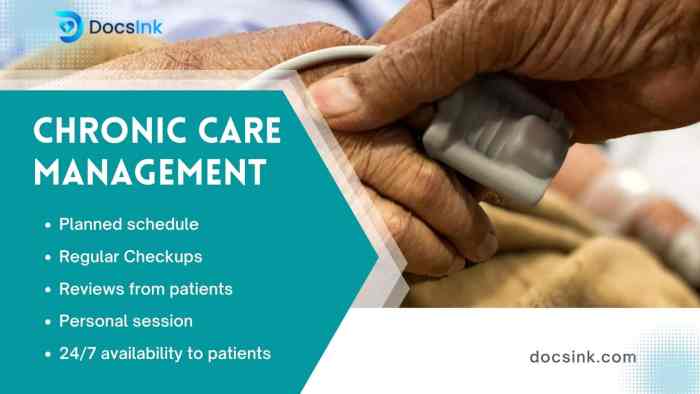
In conclusion, mastering the art of health insurance tips for chronic illness management can empower individuals to take control of their healthcare journey. By making informed decisions, staying organized, and leveraging insurance benefits, managing chronic conditions becomes a more manageable and less daunting task.
Question & Answer Hub
What are the key benefits of having health insurance for chronic illness management?
Health insurance provides financial support for necessary treatments, medications, and healthcare services, ensuring individuals can access quality care without bearing exorbitant costs.
How can I minimize out-of-pocket costs related to managing chronic conditions with health insurance?
Strategies such as opting for generic medications, utilizing in-network providers, and exploring cost-saving programs offered by insurance companies can help reduce out-of-pocket expenses.
Why is proactive communication with healthcare providers and insurance companies essential for optimizing care?
Effective communication ensures that all stakeholders are on the same page regarding treatment plans, coverage options, and billing processes, leading to smoother healthcare experiences and better outcomes.