

Exploring the realm of heart health through nutrition unveils a world of possibilities for enhancing overall well-being. This guide delves into the top nutrition plans tailored specifically to promote a healthy heart, offering insights and practical tips to embark on a journey towards better cardiovascular health.
From understanding the role of macronutrients to embracing plant-based diets, this guide equips you with the knowledge needed to make informed choices for a heart-healthy lifestyle.
Overview of Heart Health
Heart health is crucial for overall well-being and longevity. Nutrition plays a vital role in maintaining a healthy heart and preventing cardiovascular diseases. By consuming a balanced diet rich in key nutrients, individuals can significantly reduce the risk of heart-related issues.
Key Nutrients for Heart Health
There are several essential nutrients that are beneficial for heart health:
- Omega-3 fatty acids: Found in fish, nuts, and seeds, omega-3 fatty acids help reduce inflammation and lower the risk of heart disease.
- Antioxidants: Present in fruits, vegetables, and whole grains, antioxidants protect the heart by fighting off free radicals that can damage cells.
- Fiber: Foods high in fiber, such as whole grains, legumes, and fruits, can help lower cholesterol levels and improve heart health.
- Potassium: Found in bananas, sweet potatoes, and leafy greens, potassium helps regulate blood pressure and reduce the risk of stroke.
Impact of Nutrition on Heart Disease Prevention
Nutrition plays a crucial role in preventing heart disease. A diet rich in whole foods, lean proteins, and healthy fats can help maintain optimal heart health and reduce the risk of developing cardiovascular issues. By making smart food choices and incorporating key nutrients into daily meals, individuals can protect their heart and lead a healthier life.
Top Nutrition Plans for Heart Health
When it comes to maintaining heart health, following specific nutrition plans can play a crucial role in preventing cardiovascular diseases. Let's explore some of the popular nutrition plans that are specifically designed to promote heart health.
DASH Diet (Dietary Approaches to Stop Hypertension)
The DASH diet focuses on reducing sodium intake while emphasizing the consumption of fruits, vegetables, whole grains, and lean protein sources. This balanced approach helps in lowering blood pressure and reducing the risk of heart disease.
Mediterranean Diet
The Mediterranean diet is rich in heart-healthy fats such as olive oil, nuts, and fish. It also includes a variety of fruits, vegetables, whole grains, and moderate amounts of red wine. This diet has been associated with a reduced risk of heart disease and stroke.
Plant-Based Diet
A plant-based diet emphasizes the consumption of fruits, vegetables, whole grains, nuts, seeds, and legumes while limiting or excluding animal products. This diet is high in fiber, antioxidants, and phytonutrients, which can help lower cholesterol levels and reduce inflammation in the body.
Low-Sodium Diet
Reducing sodium intake is essential for heart health, as high sodium levels can lead to high blood pressure and increase the risk of heart disease. A low-sodium diet involves minimizing the consumption of processed foods, canned goods, and adding salt to meals.
Role of Macronutrients
Carbohydrates, proteins, and fats play crucial roles in supporting heart health by providing essential nutrients and energy for optimal functioning.
Carbohydrates
Carbohydrates are the body's primary source of energy and can be found in foods like whole grains, fruits, and vegetables. They help regulate blood sugar levels and provide fiber, which aids in managing cholesterol levels. Examples of heart-healthy carbohydrate sources include quinoa, sweet potatoes, and oats.
Proteins
Proteins are essential for building and repairing tissues, including the heart muscle. They can be found in lean meats, poultry, fish, and plant-based sources like beans and lentils. Consuming lean proteins can help lower cholesterol levels and support heart function.
Examples of heart-healthy protein sources include salmon, skinless chicken breast, and tofu.
Fats
Healthy fats, such as monounsaturated and polyunsaturated fats, are beneficial for heart health. They can be found in foods like avocados, nuts, seeds, and olive oil. These fats help reduce inflammation, lower cholesterol levels, and support overall heart function. Avoiding saturated and trans fats is important for heart health.
Examples of heart-healthy fat sources include almonds, chia seeds, and fatty fish like salmon.
Importance of Micronutrients
Micronutrients, such as vitamins and minerals, are essential for maintaining overall health, including heart health. These nutrients play crucial roles in various bodily functions and can help prevent heart disease.
Vitamins and Minerals for Heart Health
Specific micronutrients have been identified for their significant impact on heart health:
- Vitamin D: Helps regulate blood pressure and reduce inflammation in the body.
- Vitamin E: Acts as an antioxidant to protect cells from damage.
- Magnesium: Supports heart rhythm and muscle function.
- Potassium: Helps control blood pressure and reduce the risk of stroke.
- Omega-3 Fatty Acids: Reduce inflammation and support heart health.
Incorporating Micronutrient-Rich Foods
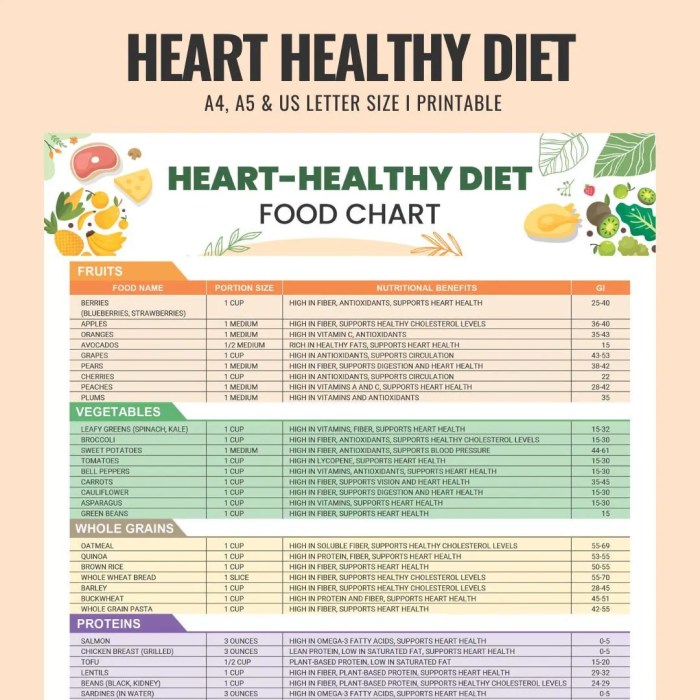
It is essential to include a variety of nutrient-dense foods in your daily meals to ensure you are getting an adequate intake of micronutrients for heart health. Some examples include:
- Leafy green vegetables like spinach and kale for vitamin K and magnesium.
- Fatty fish like salmon and mackerel for omega-3 fatty acids.
- Nuts and seeds for vitamin E and magnesium.
- Berries for antioxidants and vitamin C.
- Bananas and citrus fruits for potassium and vitamin C.
Benefits of Plant-Based Diets
Plant-based diets have been shown to offer numerous benefits for heart health. These diets are rich in fiber, antioxidants, and various nutrients that can help lower cholesterol levels, reduce inflammation, and improve overall cardiovascular health.
Examples of Beneficial Plant-Based Foods
- Leafy green vegetables like spinach, kale, and Swiss chard are packed with vitamins, minerals, and antioxidants that support heart health.
- Legumes such as lentils, chickpeas, and black beans are excellent sources of plant-based protein, fiber, and phytonutrients that can help reduce the risk of heart disease.
- Nuts and seeds like almonds, walnuts, and chia seeds provide healthy fats, fiber, and plant sterols that have been linked to improved heart health.
- Whole grains like oats, quinoa, and brown rice offer fiber, vitamins, and minerals that can help lower cholesterol levels and reduce the risk of heart disease.
How Plant-Based Diets Reduce Risk of Cardiovascular Diseases
Plant-based diets are typically low in saturated fats and cholesterol, which are known risk factors for heart disease. By emphasizing whole plant foods and minimizing animal products, individuals following a plant-based diet can reduce their intake of harmful fats and increase their consumption of heart-healthy nutrients.
Additionally, the high fiber content of plant-based diets can help lower cholesterol levels, improve blood pressure, and support overall heart health, ultimately reducing the risk of cardiovascular diseases.
Meal Planning and Preparation
Meal planning and preparation are essential components of maintaining a heart-healthy diet. By making conscious choices and preparing meals with low saturated fats and sodium, you can significantly improve your heart health.
Strategies for Meal Planning
- Plan your meals in advance to ensure they are balanced and nutritious.
- Incorporate a variety of fruits, vegetables, whole grains, and lean proteins into your meals.
- Avoid processed foods and opt for fresh ingredients whenever possible.
Tips for Preparing Low-Sodium and Low-Saturated Fat Meals
- Use herbs and spices to add flavor to your meals instead of salt.
- Choose lean cuts of meat and trim off visible fat before cooking.
- Opt for cooking methods such as baking, grilling, or steaming instead of frying.
Reading Nutrition Labels for Heart Health
- Pay attention to serving sizes and the amount of saturated fat and sodium per serving.
- Look for foods high in fiber and whole grains, which are beneficial for heart health.
- Avoid products with added sugars and trans fats, as these can negatively impact your heart.
Lifestyle Factors and Heart Health
When it comes to heart health, lifestyle factors play a crucial role in determining overall well-being. Factors such as exercise, stress management, and adequate sleep can significantly impact the health of our hearts.
Exercise and Heart Health
Regular physical activity is essential for maintaining a healthy heart. Exercise helps improve cardiovascular health, lower blood pressure, and reduce the risk of heart disease. Aim for at least 150 minutes of moderate-intensity exercise per week to keep your heart strong and healthy.
Stress Management and Heart Health
Chronic stress can have a negative impact on heart health, leading to increased blood pressure and inflammation. Incorporating stress-reducing activities such as mindfulness meditation, deep breathing exercises, or yoga into your daily routine can help lower stress levels and improve heart health.
Adequate Sleep and Heart Health
Getting enough sleep is essential for overall health, including heart health. Poor sleep quality and insufficient sleep have been linked to an increased risk of heart disease. Aim for 7-9 hours of quality sleep each night to support a healthy heart.
Holistic Approach to Heart Health
By incorporating exercise, stress management techniques, and adequate sleep into your nutrition plan, you can create a holistic approach to heart health. Focus on making lifestyle changes that support a healthy heart, such as regular physical activity, stress reduction practices, and prioritizing quality sleep.
Wrap-Up
In conclusion, prioritizing nutrition as a key pillar of heart health lays the foundation for a vibrant and fulfilling life. By incorporating these top nutrition plans into your daily routine, you pave the way towards a healthier heart and a happier you.
Essential FAQs
Can nutrition alone prevent heart disease?
Nutrition plays a crucial role in preventing heart disease, but it is essential to combine it with other healthy lifestyle habits such as regular exercise and stress management for optimal heart health.
Are there specific foods that can improve heart function?
Foods rich in omega-3 fatty acids like fatty fish, nuts, and seeds are known to promote heart health and improve overall heart function.
How can I incorporate more micronutrients into my diet?
You can incorporate micronutrients into your diet by including a variety of colorful fruits and vegetables, whole grains, lean proteins, and dairy products in your meals.