

Exploring the realm of commercial vehicle maintenance, this guide uncovers the key strategies for maintaining a well-functioning fleet. With a focus on efficiency and longevity, read on to discover the smart way to schedule maintenance tasks for your commercial vehicles.
Delve deeper into the intricacies of creating a maintenance schedule, choosing the right service providers, maintaining detailed records, and implementing preventive maintenance strategies.
Importance of Scheduled Maintenance
Scheduled maintenance is crucial for commercial vehicles to ensure optimal performance, safety, and longevity.
Adhering to a maintenance schedule offers several benefits, such as:
Improved Reliability
- Regular maintenance helps identify and address potential issues before they escalate, reducing the risk of unexpected breakdowns.
- By staying on top of maintenance tasks, commercial vehicles are less likely to experience costly repairs or downtime.
Enhanced Safety
- Well-maintained vehicles are safer to operate, reducing the chances of accidents due to mechanical failures.
- Properly maintained brakes, tires, and other critical components ensure optimal safety for drivers, passengers, and other road users.
Increased Longevity
- Regular maintenance helps extend the lifespan of commercial vehicles, allowing businesses to maximize their investment in their fleet.
- By addressing wear and tear promptly, vehicles can operate efficiently for a longer period, saving money in the long run.
Creating a Maintenance Schedule

Creating a maintenance schedule for your commercial vehicles is crucial to ensure they are running smoothly and efficiently. Follow these steps to create a comprehensive maintenance schedule:
1. Assess Your Fleet
- Start by assessing the size and needs of your fleet. Determine the number of vehicles, their make and model, and the type of maintenance required for each.
- Consider factors such as mileage, usage patterns, and any specific maintenance requirements based on the type of vehicles in your fleet.
2. Identify Maintenance Tasks
- Create a list of all the maintenance tasks that need to be performed regularly, such as oil changes, tire rotations, brake inspections, and fluid checks.
- Consult the manufacturer's recommendations for each vehicle to ensure you are including all necessary maintenance tasks.
3. Set Maintenance Intervals
- Determine the frequency at which each maintenance task should be performed. Some tasks, like oil changes, may need to be done more frequently than others.
- Consider factors like mileage, time intervals, and the specific requirements of each maintenance task when setting maintenance intervals.
4. Prioritize Maintenance Tasks
- Establish a priority order for your maintenance tasks based on safety, regulatory requirements, and the impact on vehicle performance.
- Identify critical maintenance tasks that should never be skipped or delayed to ensure the safety and reliability of your vehicles.
Setting Up Reminders
To help you stay on top of your maintenance schedule, consider setting up reminders through:
- Automated maintenance management software
- Calendar alerts
- Email notifications
Regularly review and adjust your maintenance schedule as needed to optimize the performance and longevity of your commercial vehicles.
Choosing the Right Service Providers
When it comes to selecting service providers for commercial vehicle maintenance, there are several factors to consider to ensure the best outcomes for your fleet. From expertise to pricing, each aspect plays a crucial role in the maintenance process.
Factors to Consider
- Expertise: Look for service providers with a strong track record in commercial vehicle maintenance. Check if they have experience working with similar vehicles to yours.
- Reputation: Research the reputation of the service providers by reading reviews and asking for recommendations from other fleet managers. A good reputation is a strong indicator of quality service.
- Pricing: While cost is important, it should not be the sole determining factor. Compare prices from different service providers, but also consider the quality of work they offer.
Building a Good Relationship
- Communication: Maintain open and clear communication with your service providers. Clearly communicate your expectations and requirements for maintenance.
- Regular Feedback: Provide feedback on the maintenance work done by the service providers. This helps them understand your preferences and improve their services over time.
- Scheduling: Work with the service providers to establish a regular maintenance schedule that aligns with your fleet's needs. This proactive approach can help prevent breakdowns and extend the lifespan of your vehicles.
Record-Keeping and Tracking
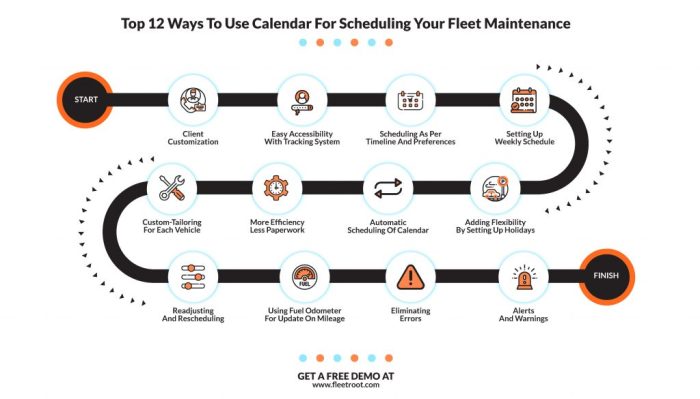
Maintaining detailed records of maintenance activities is crucial for commercial vehicle fleets. It helps in ensuring compliance with regulations, identifying trends in vehicle performance, and maximizing the lifespan of the vehicles. Effective tracking of maintenance schedules and tasks is essential to prevent unexpected breakdowns and minimize downtime.
Importance of Detailed Records
- Records provide a history of maintenance activities, including repairs, replacements, and inspections, which can be useful for warranty claims and audits.
- Tracking fuel consumption, mileage, and maintenance costs allows for better budgeting and forecasting of expenses.
- Regularly updated records help in identifying patterns of recurring issues in specific vehicles or components, leading to proactive maintenance measures.
Effective Tracking Methods
- Utilize digital maintenance management systems (CMMS) to schedule, track, and document maintenance tasks, providing real-time visibility into fleet operations.
- Implement preventive maintenance schedules based on vehicle manufacturer recommendations and industry best practices to stay ahead of potential issues.
- Use telematics technology to monitor vehicle diagnostics remotely, receive alerts for maintenance needs, and track driver behavior for improved safety and efficiency.
Role of Technology in Record-Keeping
- Electronic maintenance logs and cloud-based platforms centralize maintenance data, making it easily accessible for analysis and reporting.
- Automated reminders and notifications help in keeping track of upcoming maintenance tasks and ensuring timely interventions.
- Data analytics tools can generate insights from maintenance records, enabling fleet managers to make data-driven decisions for optimizing operations.
Implementing Preventive Maintenance Strategies
Preventive maintenance is a proactive approach to maintaining commercial vehicles to prevent breakdowns and costly repairs. By regularly inspecting, servicing, and replacing components before they fail, businesses can ensure the longevity and reliability of their fleet.
Significance of Preventive Maintenance
Implementing preventive maintenance strategies for commercial vehicles is crucial for ensuring operational efficiency, reducing downtime, and enhancing safety on the road. By addressing potential issues before they escalate, companies can save time and money while optimizing the performance of their fleet.
Common Preventive Maintenance Tasks
- Regular oil changes to keep the engine lubricated and running smoothly.
- Checking and replacing air filters to maintain optimal fuel efficiency.
- Inspecting and rotating tires to ensure even wear and extend their lifespan.
- Testing and replacing brake pads to prevent brake failure and ensure safe stopping distances.
- Monitoring fluid levels and topping up or flushing fluids as needed to prevent overheating and component damage.
Examples of Successful Strategies
Companies like XYZ Transport have implemented a preventive maintenance program that includes regular inspections, scheduled servicing, and comprehensive record-keeping. By partnering with trusted service providers and leveraging technology for tracking maintenance schedules, XYZ Transport has minimized breakdowns, reduced repair costs, and optimized the performance of their fleet.
Last Point
In conclusion, by following the smart way to schedule commercial vehicle maintenance, you can ensure optimal performance and durability for your fleet. With proper planning and execution, your vehicles will remain in top condition, saving you time and money in the long run.
Questions and Answers
How often should I schedule maintenance for my commercial vehicles?
You should follow the manufacturer's recommendations for maintenance intervals, but generally, regular maintenance every 3-6 months is advisable for commercial vehicles.
What are the benefits of preventive maintenance for commercial vehicles?
Preventive maintenance helps in identifying and addressing issues before they escalate, reducing downtime, improving safety, and extending the lifespan of your vehicles.
How can technology assist in tracking maintenance schedules?
There are various software solutions available that can automate maintenance reminders, track service history, and help you stay organized with your maintenance tasks.