
Small Business Health Insurance Explained: A Guide for Startups sets the stage for this informative journey, offering readers a comprehensive look into the world of health insurance for small businesses. From understanding the basics to exploring cost management strategies, this guide covers it all with clarity and insight.
Small Business Health Insurance Overview
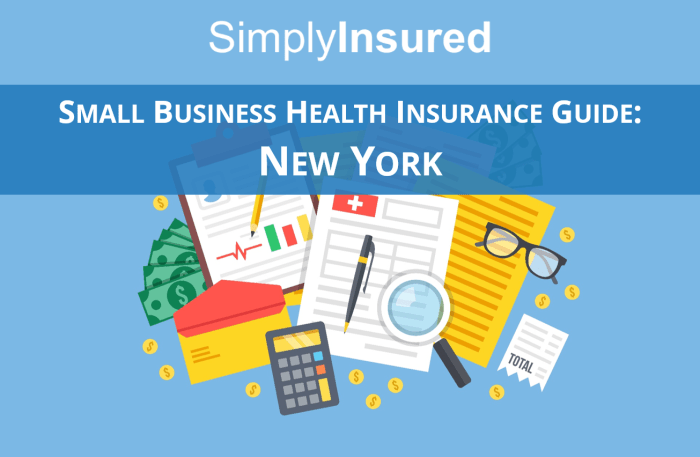
Small business health insurance refers to a group health insurance plan offered by small businesses to their employees. It helps cover medical expenses and provides access to healthcare services for employees and their families.
Importance of Offering Health Insurance to Employees
Providing health insurance to employees is crucial for small businesses to attract and retain top talent. It shows that the company values the health and well-being of its employees, leading to higher job satisfaction and loyalty.
Advantages of Providing Health Insurance for Small Businesses
- Improves employee retention rates by offering a competitive benefits package.
- Boosts employee morale and productivity by reducing financial stress related to healthcare expenses.
- Helps attract skilled workers who prioritize health benefits when considering job opportunities.
- May qualify for tax benefits and incentives for offering health insurance coverage to employees.
Types of Small Business Health Insurance
When it comes to providing health insurance for your small business employees, there are various options available to choose from. Understanding the different types of health insurance plans can help you make an informed decision that aligns with your budget and employees' needs.
Group Health Insurance vs. Individual Health Insurance
Group health insurance is a policy purchased by an employer and offered to eligible employees as a benefit. It covers all employees under one policy, typically at a lower cost per individual. On the other hand, individual health insurance is purchased by individuals directly from an insurance provider.
While individual plans offer more customization options, they are often more expensive compared to group plans due to the lack of employer contributions.
Benefits of Offering a Health Maintenance Organization (HMO) Plan
- HMO plans typically have lower premiums compared to other health insurance plans.
- Employees are required to select a primary care physician (PCP) who coordinates their care within the network, leading to better preventative care and management of chronic conditions.
- HMO plans often have minimal or no deductibles, making healthcare more affordable for employees.
- These plans focus on preventive care and wellness programs, promoting a healthier workforce and potentially reducing overall healthcare costs for the employer.
Considerations for Startups
When it comes to choosing health insurance for your startup, there are several key factors to consider to ensure you are providing the best coverage for your employees while also managing costs effectively.
Impact of the Affordable Care Act
The Affordable Care Act (ACA) has had a significant impact on small business health insurance. Under the ACA, small businesses with fewer than 50 full-time employees are not required to provide health insurance to their employees. However, many startups choose to offer health insurance as a way to attract and retain top talent.
The ACA also offers Small Business Health Options Program (SHOP) Marketplace where small businesses can purchase group health insurance plans.
Determining the Right Coverage Amounts
When determining the right coverage amounts for employees in a startup, it's important to consider the needs of your workforce. Factors to consider include the age and health status of your employees, the number of dependents they may have, and any specific health conditions that may require specialized care
It's also crucial to balance the cost of premiums with the level of coverage provided to ensure that your employees have access to quality healthcare without breaking the bank.
Cost Management Strategies
When it comes to offering health insurance as a small business, managing costs is crucial. Implementing cost-saving strategies can help you provide coverage to your employees without breaking the bank.
Health Savings Accounts (HSAs)
Health Savings Accounts (HSAs) are a valuable tool for managing healthcare costs. These accounts allow employees to contribute pre-tax dollars to cover medical expenses not covered by their insurance. The funds in an HSA roll over from year to year, making it a smart way to save for future healthcare needs.
Wellness Programs for Cost Reduction
Implementing wellness programs can help reduce healthcare expenses for small businesses. By promoting healthy habits among employees, such as exercise, healthy eating, and preventive care, you can lower the risk of major health issues and decrease the overall cost of healthcare.
Wellness programs can also boost employee morale and productivity, creating a win-win situation for both your employees and your business.
Legal Requirements and Compliance
When it comes to offering health insurance to employees in small businesses, there are specific legal requirements that must be followed to ensure compliance with healthcare regulations. Failure to provide health insurance as required by law can have serious implications for small businesses, including penalties and fines.
Therefore, it is essential for startups to understand and adhere to the legal obligations surrounding employee health insurance.
Legal Requirements for Offering Health Insurance
- Small businesses with 50 or more full-time employees are required by the Affordable Care Act to provide health insurance coverage that meets certain minimum standards.
- Employers must offer affordable health insurance that covers at least 60% of the total allowed costs of benefits.
- Businesses with fewer than 50 full-time employees are not required to provide health insurance, but they may qualify for tax credits if they choose to offer coverage.
Implications of Not Providing Health Insurance
- Failure to provide health insurance as required by law can result in financial penalties for small businesses.
- Employees may seek coverage through the Health Insurance Marketplace, and employers may face consequences for not offering affordable and adequate coverage.
Ensuring Compliance with Healthcare Regulations
- Small businesses can ensure compliance by carefully reviewing and understanding the legal requirements for offering health insurance to employees.
- Working with a qualified insurance broker or consultant can help businesses navigate the complexities of healthcare regulations and ensure compliance.
- Regularly reviewing and updating health insurance policies to meet changing regulatory requirements is essential for small businesses to remain compliant.
Ultimate Conclusion
In conclusion, Small Business Health Insurance Explained: A Guide for Startups serves as a valuable resource for navigating the complex landscape of health insurance for small businesses. With a focus on key considerations, types of insurance, and legal requirements, startups can now make informed decisions to ensure the well-being of their employees.
FAQ Explained
What are the key factors startups should consider when choosing health insurance?
Startups should consider factors like cost, coverage options, network providers, and the needs of their employees when selecting health insurance. It's essential to strike a balance between comprehensive coverage and affordability.
How can small businesses ensure compliance with healthcare regulations?
Small businesses can ensure compliance by staying updated on healthcare laws, offering required benefits to employees, and working with insurance providers that understand and adhere to regulatory standards. Consulting legal experts can also help navigate complex compliance issues.
What is the role of Health Savings Accounts (HSAs) in managing healthcare costs for small businesses?
HSAs allow employees to save pre-tax money for medical expenses, offering a tax-advantaged way to cover healthcare costs. For small businesses, offering HSAs can help employees manage their healthcare expenses more effectively.